
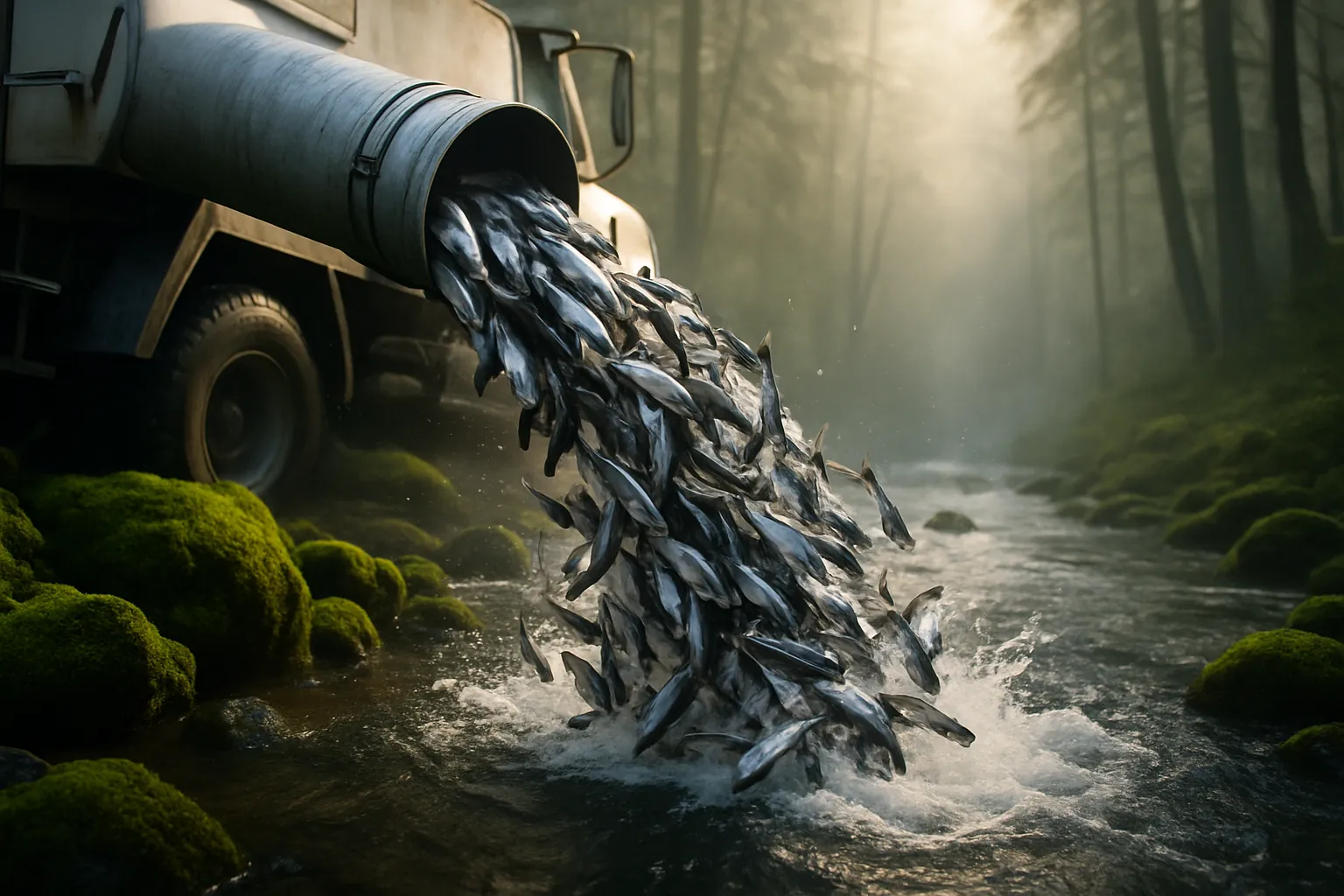
TOP COVERAGE NEWS, HUDSON VALLEY BUREAU — At precisely 6:04 a.m. on Tuesday, a convoy of state-branded tank trucks rolled past sleepy bait shops and alarmed songbirds, carrying what officials call “the single largest mobile fish force ever assembled east of the Mississippi.” By nightfall, nearly two million trout had been released into creeks, ponds, and reservoirs from Montauk to Massena — a maneuver the Department of Environmental Conservation (DEC) insists is routine, but that critics warn has plunged New York into an aquatic power vacuum.
“We have shifted the balance of cold-water authority,” declared Acting Fish Resources Director Maribel Ochoa during an emergency briefing held in a converted kayak shed. “These trout are not passengers. They are stakeholders.”
Operation Spring Surge: Anatomy of a High-Volume Fish Drop
The DEC’s publicly stated mission is simple: restock waterways after a harsh winter. But internal memos obtained by Top Coverage News reveal a plan far more ambitious. Labeled OP_SURGE_25, the documents outline a 75-day timetable, three “Stocked-Extended” strike zones, and an escalation clause authorizing supplemental rainbow trout if brown trout morale falters.
According to the agency, 1.87 million catchable fish—some exceeding 15 inches—were divided into four tactical classes: brook, brown, rainbow, and “oversized diplomatic units” intended to dazzle first-time anglers. Streams like Nine Mile Creek will see drops every other week, a cadence one hatchery analyst likened to “air support for brook-trout loyalists.”
Yet drought-driven water shortages in 2024 stunted brown trout growth, forcing supervisors to green-light fish under the nine-inch benchmark. Meanwhile, a whirling-disease outbreak slashed brook trout ranks. “We are deploying with incomplete brigades,” conceded DEC veteran Harold Sykes, “and the ecological insurgency will adjust in real time.”
Political Riptide: Budget Factions, Bylaw Standoffs, and the ‘Creel Ceiling’
The release has detonated new battle lines at every level of governance. Last night, the Dual County Water Board splintered into rival caucuses — The Financiers, who demand more hatchery funding, and The Dry Dock Bloc, who want a spending freeze until a full hydrological audit is completed. The meeting devolved after Councilwoman Nora Pell hurled a pocket tackle box across the dais, shouting, “We will not be held hostage by rainbow populism!” Security escorted her out to polite applause.
Across town, the PTA issued a statement condemning “fish-forward policymaking” that leaves after-school programs underfunded. Parent activist Jordan Beale argued, “If the state can buy two million trout, it can replace our cafeteria trays.” His petition reached 812 digital signatures in three hours, briefly overloading the district server.
Governor’s liaison Craig Lortz downplayed the unrest. “These are standard tensions any time you amplify biodiversity,” he told reporters gathered beside a refrigerated truck. Still, sources inside the Capitol say a bipartisan delegation is drafting emergency language to cap next year’s deployment at what they call the Creel Ceiling—a soft limit of 1.3 million fish pending economic impact reviews.
Grassroots Counteroffensives: Angler Militias and the ‘Tackle Box App’ Surge
On social media, volunteers are self-organizing into rapid-response “rod squads” that promise to monitor, measure, and—if necessary—remove surplus trout to protect indigenous aquatic cultures. One such unit, the High-Bank Guardians, claims 200 boat-equipped members and a fleet of drones able to “trace hatchery pheromones within a three-mile radius.”
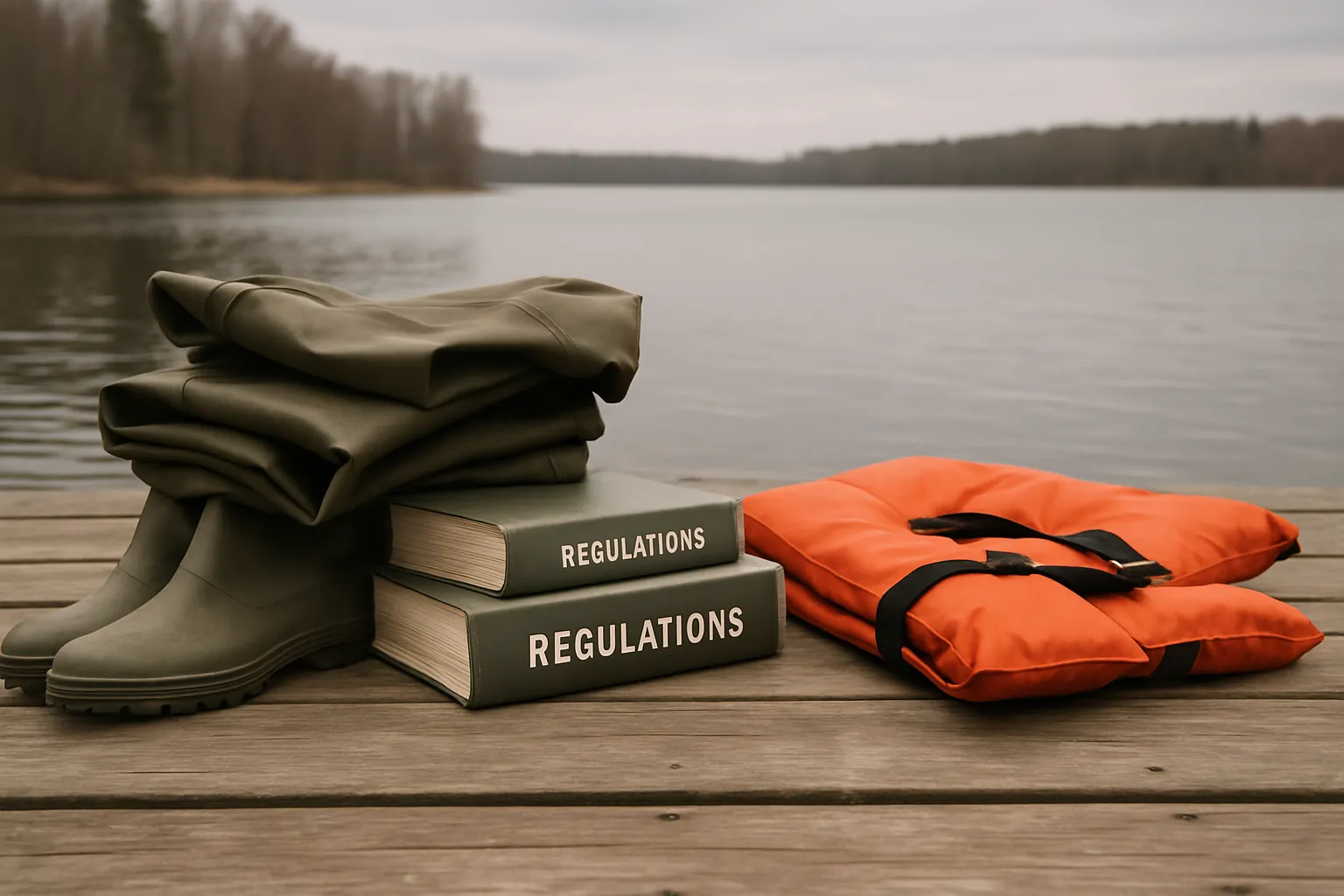
They are aided by the DEC’s own HuntFishNY ‘Tackle Box’ app, which provides drop-site coordinates, regulations, and spawning forecasts. The app’s downloads quadrupled overnight, temporarily pushing it above two major video-game titles on the state’s digital charts. “Tools of transparency can also be tools of resistance,” warned cybersecurity lecturer Dr. Uma Patel. “Once data is public, the line between citizen science and vigilante creeling blurs.”
Quick Tip for Residents: Turn on push notifications in the app if you live near a classified ‘Stocked-Extended’ zone. That ping may be your only alert before hundreds of trout arrive in the dark.
Ecological Uncertainties and the Prospect of Runaway Influence
Scientists are divided on the long-term implications. Some hail the release as a lifeline for waterways stressed by climate volatility. Others caution that the fish, bred for resilience, may outcompete native species in what SUNY biologist Dr. Benika Rowe calls an “unregulated popularity contest.”
“We used to talk about carrying capacity,” Rowe lamented, “now we talk about charisma capacity. What happens when every stream celebrity is a 15-inch Brown with perfect spotting?”
Even supporters concede risks. Smaller brown trout could escape predator-testing protocols, forming what policy analysts dub shadow schools—clusters of undersized fish that slip past creel limits, skewing catch data and confusing resource forecasts for years.
Environmental Impact Forecast
- Short Term (0–6 months): Spike in local tourism; bait shortages by midsummer.
- Mid Term (6–18 months): Possible algal bloom fluctuations due to altered insect pressure.
- Long Term (18+ months): Negotiations over interstate trout corridors with Pennsylvania and Vermont.
Where the State Goes From Here
The governor’s office has proposed a Trout Accountability Summit for late June, inviting mayors, hatchery chiefs, and three randomly selected sixth-graders “to preserve public trust.” In advance, the DEC continues daily briefings while urging calm.
“Democracy can stock fish and still keep its soul,” asserted Commissioner Emeritus Steve Hurst, referencing his decades-long effort to rebuild Lake Champlain’s wild population (U.S. Fish & Wildlife Service). “But if your creek suddenly glitters, remember: representation begins at the riverbank.”
Meanwhile, local emergency managers advise residents to treat the influx like any infrastructural upgrade. “Lock gates, tag gear, and keep a photo log of pre-deployment stream banks,” said Deputy Safety Director Alina Chow, “because post-deployment documentation will decide insurance claims if erosion escalates.”
Bottom Line: Two million new trout are now shaping currents, conversations, and perhaps the future of regional governance. Whether they herald ecological renaissance or administrative gridlock, one fact is unchallenged: the water is suddenly crowded, and so is the debate.