
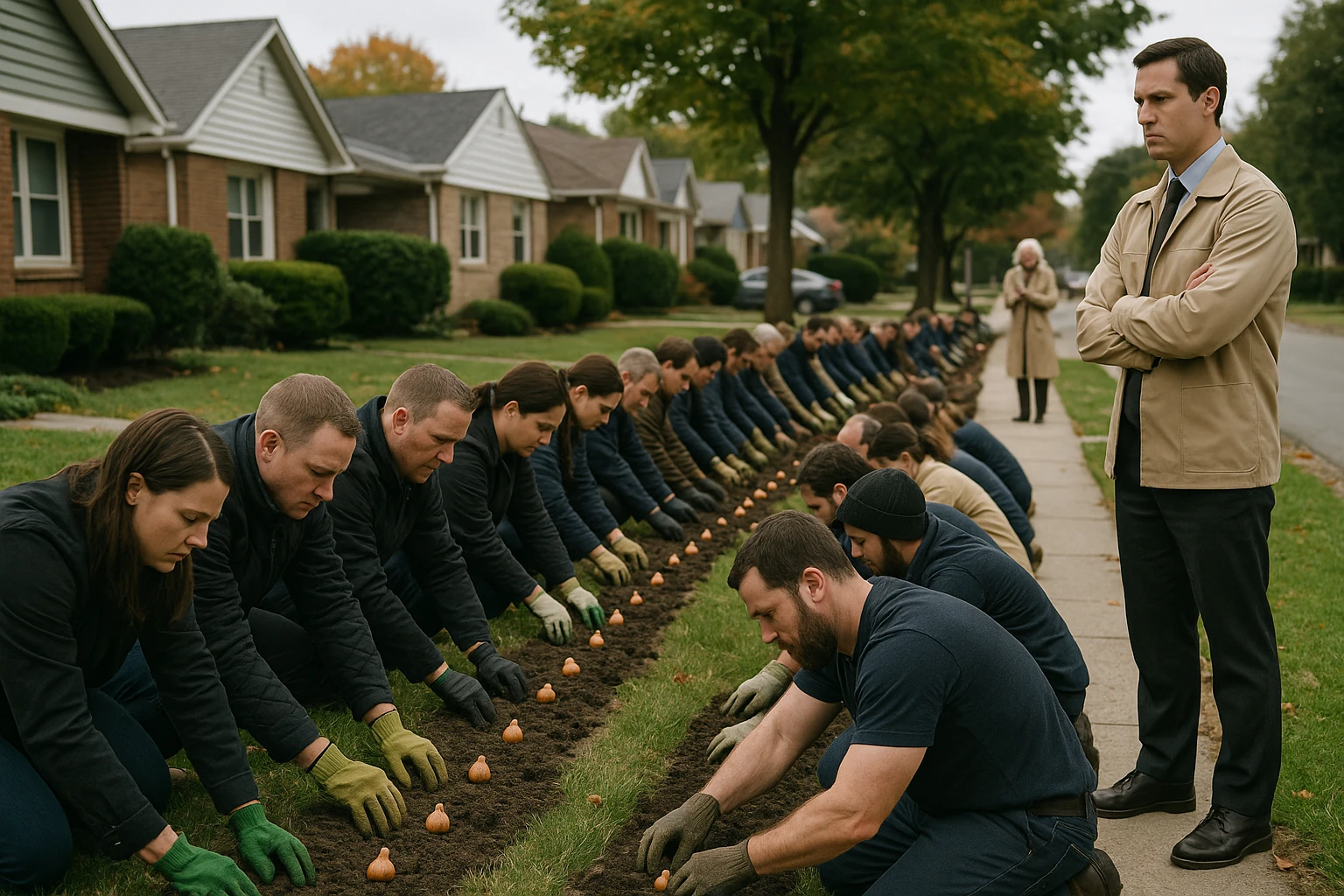
In a move that has sent shockwaves through local agencies and garden clubs alike, residents across town are stealthily planting spring bulbs—primarily daffodils, tulips, and crocuses—under cover of autumn’s chill. While the activity appears innocent to the untrained eye, sources within the Top Coverage Newsroom warn of a looming floral eruption that could transform the face of the community by April. “We’re seeing unprecedented levels of bulb burial,” declared fictitious Public Order Liaison Bethany Crumb. “If these daffodils rise as expected, nothing will ever look the same again.”
The Secret Operations Underfoot
Throughout October and early November, gardeners have been quietly digging strategic holes in yards, medians, and even neglected alleys. Experts say this surge in subterranean horticulture is not accidental—it’s a calculated campaign to unleash waves of color as winter retreats. According to real gardening experts at Sunnyside Gardens, bulbs must be planted while soil temperatures hover between 40–50°F (4–10°C), ensuring roots establish before frost sets in.
“It’s all about timing—the window for bulb deployment is narrow but critical,” said fictitious Bulb Watch Commander Linda Petalman. “Any misstep and spring morale could collapse.”
This year’s operation is bolstered by meticulous selection: only firm, plump bulbs make the cut; storage facilities are monitored for rogue apples whose ethylene gas could sabotage flowering (Washington Post). Community organizers are urging vigilance: “Every bulb counts.”
Tactical Planting and Soil Fortifications
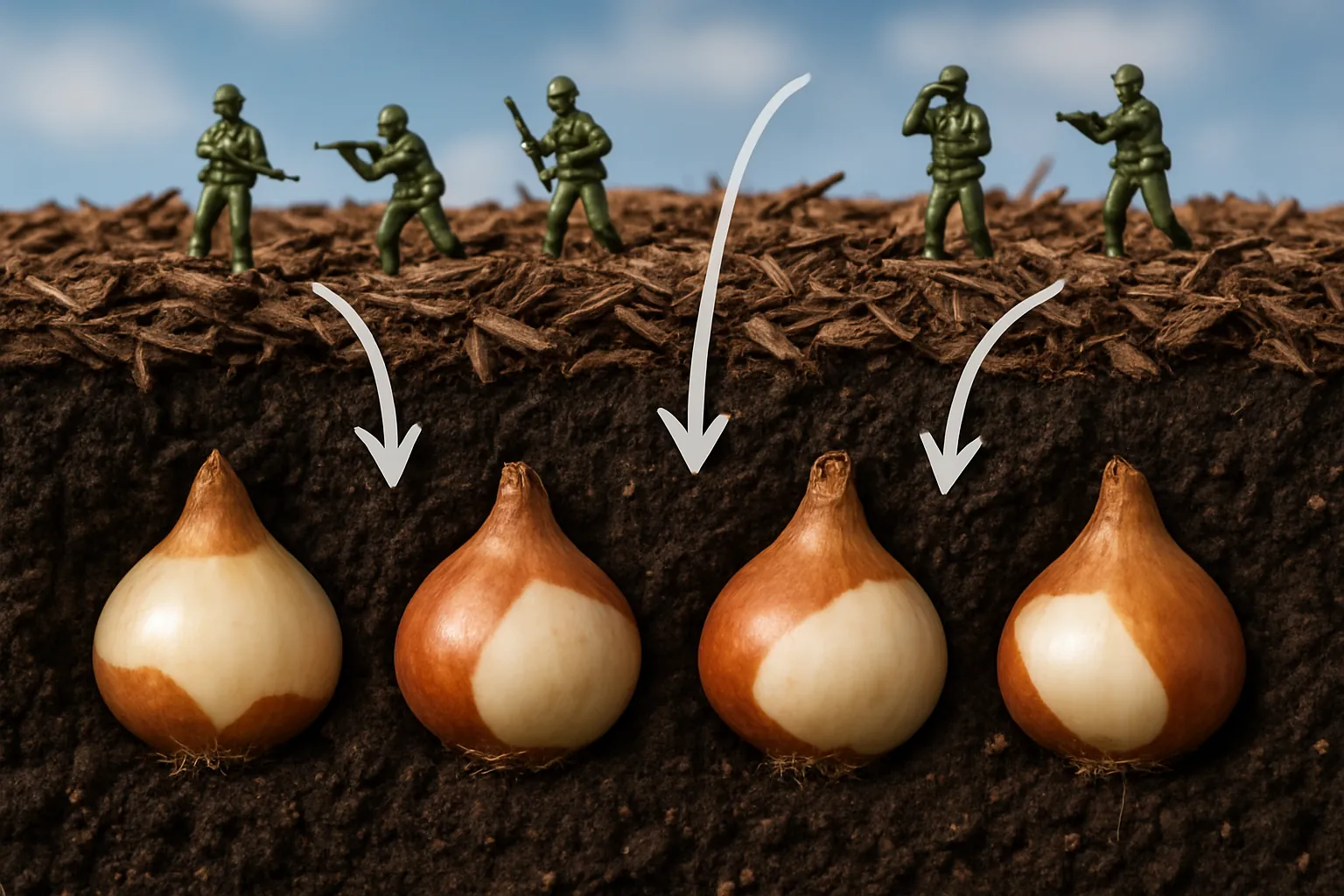
Underneath peaceful lawns, a tactical ballet unfolds. Gardeners loosen earth with military precision, add compost for optimal nutrient support, and space each bulb according to strict depth protocols—three times its height beneath the surface. Bulbs are oriented with their points upward: a formation designed for maximum bloom effectiveness come spring (Almanac.com).
“You don’t want a tulip going rogue,” insisted local soil strategist Gary Muldrow. “Proper spacing prevents future chaos.”
Larger species like daffodils are granted extra room (4–6 inches apart), while crocuses assemble in dense clusters (1–2 inches). Once planted, each operation concludes with heavy watering and a mulch barricade—locking in moisture and fending off temperature sabotage. In regions where rain is scarce or winters mild, pre-chilling measures add another layer of complexity (Washington Post). The logistics rival any municipal project currently underway.
Civic Consequences Loom as Spring Approaches
If projections hold true, neighborhoods will soon experience an overwhelming surge of blooming activity—a spectacle some officials fear could spark competitive gardening rivalries or block-by-block admiration frenzies. The mere thought has led authorities to discuss crowd control plans for high-traffic flower zones.
“We’re preparing response teams for an outbreak of beauty fatigue,” warned fictitious Emergency Preparedness Chief Lila Stemson. “Public safety must come first—even during daffodil season.”
The long-term ramifications remain unclear. Will this orchestrated floral uprising boost civic pride—or destabilize local landscaping norms? As petals prepare to breach the surface next spring, one thing is certain: The era of passive gardens has ended—and no one can say they weren’t warned.